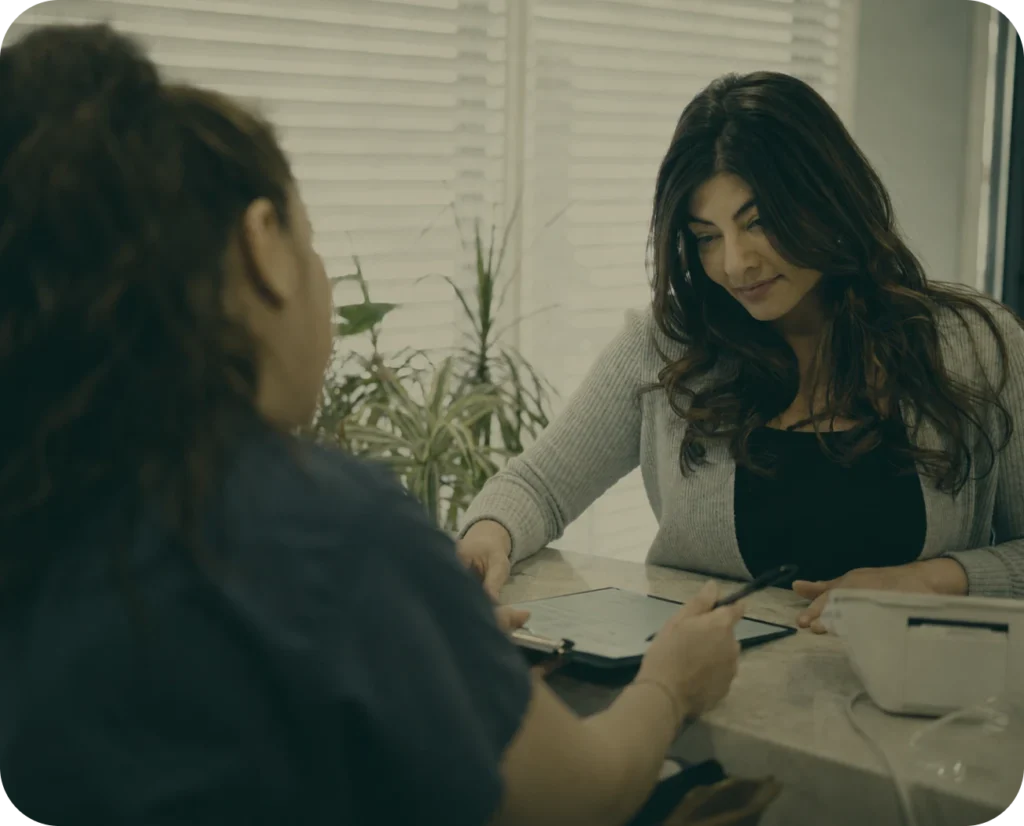
Running a dental practice means managing two very different kinds of work at once. There is the care happening in the operatory, and there is everything around it: scheduling, patient communication, insurance verification, documentation, billing and follow-up.
That administrative layer can become especially demanding as patient volume increases. Front desk teams may be answering calls, confirming appointments, checking benefits, updating records and coordinating treatment throughout the same day. The more of that work that remains manual, the more time the team spends moving information from one place to another.
Understanding how to make a dental office more efficient starts with identifying repetitive tasks that dental practice automation can support.
Why Dental Office Efficiency Matters
Efficiency affects more than how quickly a task gets completed. It shapes the patient experience, team workload, appointment management, billing and the accuracy of insurance information.
When routine processes are slow or inconsistent, the effects spread quickly. Patients wait longer, staff have more to keep track of and small details become easier to miss.
The point of automation is to remove repetitive work from the workflow so the team has more time for the parts of practice management that actually require people.
10 Dental Workflows You Can Automate
1. Appointment Scheduling and Reminders
Appointment management can take up a surprising amount of front desk time. Calls, confirmations, rescheduling and follow-ups all require someone to keep the process moving.
Automated scheduling and reminder tools can help patients book appointments, receive confirmations and stay updated without every interaction requiring manual intervention.
2. Patient Appointment Confirmations
Following up with every patient manually is repetitive work, particularly for practices managing a busy schedule.
Automated communication can handle confirmation messages, reminders, rescheduling requests and pre-visit information while keeping patients informed. That gives the front desk more time for issues that actually need their attention.
3. Dental Insurance Verification
Insurance verification is one of the more time-intensive administrative processes in many dental offices. Staff may need to check eligibility, review benefits, contact carriers and record coverage information before treatment.
Automation can streamline that workflow by reducing repetitive manual work and making the information easier for teams to manage consistently.
4. Patient Intake Forms
Paper forms create work on both sides of the reception desk. Patients have to complete them manually, then someone on the team has to enter that information into the practice’s systems.
Digital intake workflows can collect information ahead of the appointment, reduce manual data entry and create a smoother check-in process.
5. Patient Communication
Patient communication does not stop once an appointment is booked. Reminders, follow-ups, treatment notifications and educational messages all need to happen consistently.
Automating parts of that communication can help practices stay in touch without requiring staff to manually send every message.
6. Billing and Payment Follow-Ups
Outstanding balances require attention, but payment reminders do not necessarily need to be managed one patient at a time.
Automated billing workflows can send payment reminders, track outstanding balances and keep payment communication moving. That reduces repetitive follow-up while giving the practice better visibility into what remains outstanding.
7. Insurance Claim Management
Claims depend on accurate information and timely processing. Automation can help teams identify missing information, organise claim workflows and reduce unnecessary delays.
That can support more consistent processing while reducing the amount of manual tracking required from the team.
8. Patient Reactivation Campaigns
A patient who has disappeared from the schedule can represent unfinished treatment, an overdue preventive visit or simply a patient who never booked their next appointment.
Automated reactivation campaigns can identify patients who need follow-up and bring them back into communication with the practice without requiring staff to manually work through an inactive patient list.
9. Internal Team Workflows
The administrative work inside a practice extends beyond patients. Teams also have tasks to assign, notifications to send, documentation to maintain and workflows to track.
Automation can help organise those processes so information does not sit with one person or disappear between handoffs. Clearer internal workflows make it easier for teams to stay coordinated as the practice gets busier.
10. Reporting and Practice Insights
Practice owners need visibility into what is happening across the business. Appointment trends, revenue performance, patient activity and workflow efficiency can all provide useful information about how the practice is operating.
Automated reporting makes it easier to bring that information together and spot patterns without manually compiling the data each time.
How Automation Reduces Front Desk Workload
The front desk is often where several of these processes collide at once. Phones ring while appointments need confirming, insurance needs checking and patient information needs updating.
Dental front desk automation takes repetitive tasks out of that workload, giving staff more time for patient relationships, treatment coordination and the operational issues that require actual judgement. The useful automation is the kind that makes the existing workflow easier to run rather than creating another system for the team to manage.
The Role of Dental Workflow Automation in Practice Growth
A workflow that works well for a small office can become difficult to maintain when the practice adds more patients, providers, locations or staff.
Dental workflow automation creates more consistency as those demands increase. Instead of relying on individual people to remember every step, the process itself carries more of the workload. That gives growing practices a better way to maintain operational consistency without simply adding more administrative effort.
Choosing the Right Automation Tools for a Dental Office
The right technology should solve a real problem inside the practice. Integration with existing systems, security, workflow management, staff efficiency and patient communication all matter when evaluating an automation tool.
Most importantly, the technology should make the workflow simpler for the team using it. A system that creates more steps defeats the reason for introducing it in the first place.
How iVerifai Helps Improve Dental Office Efficiency
iVerifai focuses on one of the administrative workflows that can consume a significant amount of front desk time: insurance verification.
By reducing the manual work involved in verification and making insurance information easier for teams to manage, iVerifai helps practices create a faster and more consistent process without adding the same workload back elsewhere.
Frequently Asked Questions
How can dental practices increase efficiency?
By using dental practice automation for repetitive administrative tasks, standardising workflows and using digital tools that reduce unnecessary manual work.
What administrative tasks can dentists automate?
Scheduling, appointment reminders, patient communication, insurance verification, intake forms, billing follow-ups, reporting and other repetitive workflows can all be supported by automation.
How can dentists reduce front desk workload?
Dental front desk automation can reduce the amount of manual work handled by the front desk through recurring tasks such as reminders, scheduling, verification and patient communication.
What are the best automation tools for dental offices?
The right tools depend on the practice, but common areas include scheduling, patient communication, insurance verification, billing and workflow management.
How does dental workflow automation improve patient experience?
It can reduce delays, improve communication and help teams provide more consistent service throughout the patient journey.
Dental office efficiency usually improves through a series of small operational changes rather than one dramatic overhaul. When repetitive work is handled more consistently, the team has more time for patients, treatment coordination and the decisions that actually require their attention. Automation can become part of that process when it removes administrative friction without adding more complexity.